High Stakes and Heavy Spending Define Final Push Before Midterm Vote
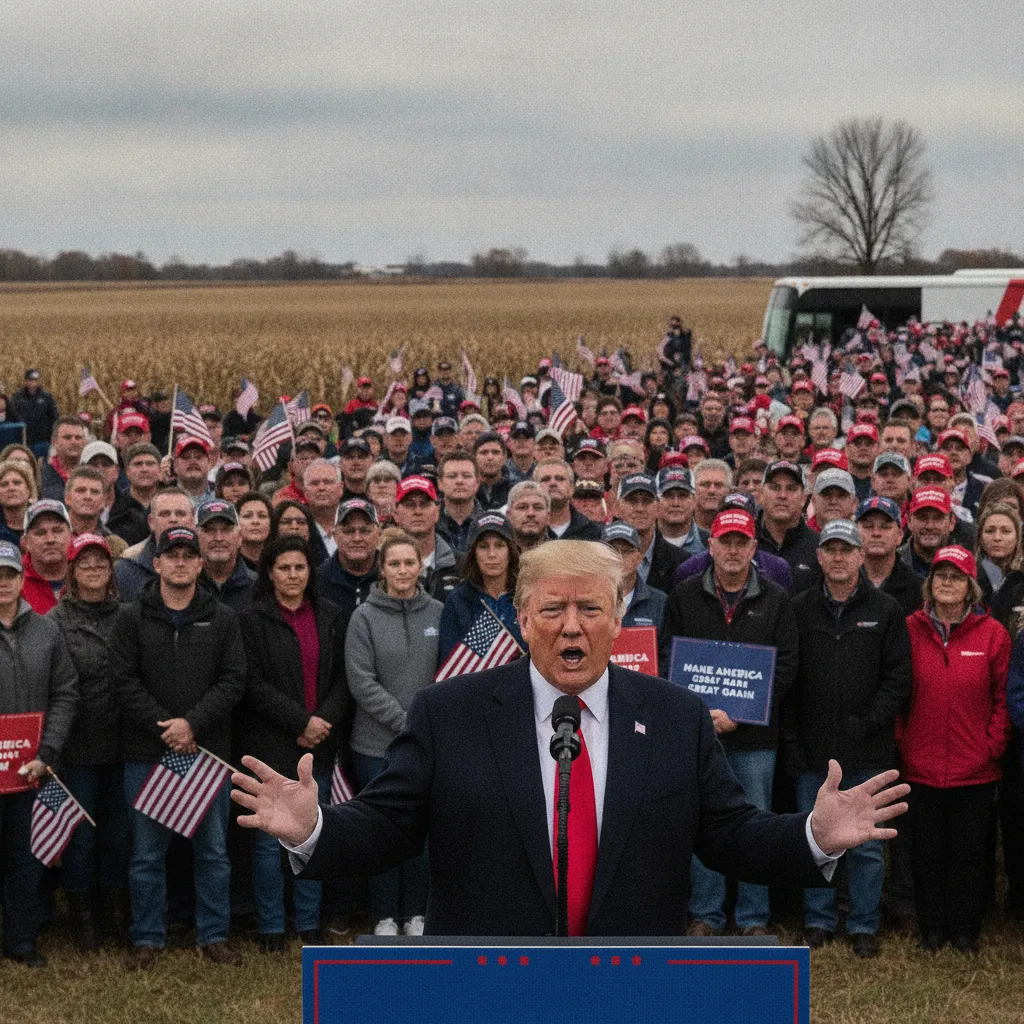
Republicans entered the final stretch of the midterm campaign in a state of visible urgency, launching a desperate effort to stave off what polls suggest could be a significant Democratic surge. With voters poised to potentially hand control of the House of Representatives to the opposition, President Donald Trump has taken to the trail personally, campaigning in traditionally safe red states like Iowa and Kansas. His strategy relies on a mix of alarmist rhetoric regarding communism and an ambitious promise of five thousand dollar payments to citizens if his party prevails, though critics argue these tactics may not outweigh widespread disapproval of his administration.
Despite the confidence projected by the White House, recent data paints a challenging picture for the incumbent president. An NBC poll indicates that sixty percent of Americans disapprove of his performance, driven largely by inflation and a sputtering conflict with Iran. While early voting numbers have hit a record fifty three million ballots, Democrats admit they are only nauseously optimistic about their chances. The prospect of regaining the House represents more than just a legislative shift; it would provide the first genuine political check on a presidency characterized by an aggressive expansion of executive authority and unconventional spending projects within the White House itself.
Beyond the lower house, an unexpected battle for the Senate has emerged as one of the cycle’s biggest wildcards. Although Republicans currently hold a slim lead and only thirty four seats are up for grabs, surprising momentum in deep red territories suggests that a Democratic flip is now entirely possible. Such an outcome would allow opponents to block key judicial appointments and launch wide ranging committee probes into allegations of systemic corruption and personal controversies surrounding the president. These high stakes have fueled an astronomical eleven billion dollars in ad spending, including massive contributions from figures like Elon Musk.
As election day arrives, a shadow of uncertainty hangs over whether the results will be accepted peacefully. Drawing parallels to the turmoil following the 2020 election, observers worry that any Republican loss could trigger another constitutional crisis. This anxiety was amplified over the weekend when official presidential social media accounts dismissed standard explanations regarding how ballot counting works in complex districts, further eroding public trust in the electoral process just hours before millions head to the polls.
For information only — not investment advice.